
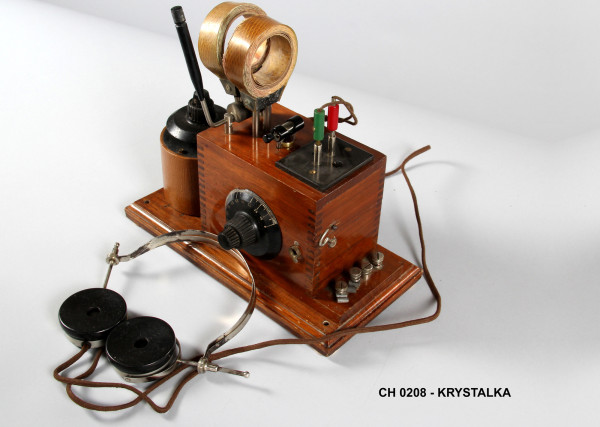
A “Crystal radio”—a marvel of simplicity—needed no batteries or electrical power source to function. Instead, this nifty device operated by detecting radio waves using a crystal, often galena, and a diode for demodulating signals. Its design harnessed the energy straight from radio waves, making it possible to run with just a long antenna and solid grounding. The catch? The sound was only audible through high-impedance headphones.
Crystal radios found fame during the first half of the 20th century, beloved for their low cost, easy assembly, and minimal maintenance. Particularly in the USA during the Great Depression (1929–1939), these radios were a godsend—cheap to produce and needing no external power supply. However, as tube and transistor radios entered the scene with superior performance and convenience, the humble crystal radio gradually faded into the background.