
The organetto, also known as portable organ, was a medieval musical instrument. It was a small keyboard instrument worn on a strap around the player. It featured a single row of pipes, into which air was pumped by a bellows operated with one hand, while the other hand played the keyboard. As such, it is considered a predecessor of the harmonium, which has more keys and uses pedals to fill the bellows with air.
This instrument was highly popular among enthusiasts of medieval music and remains in use today during reconstructions of historical musical performances.
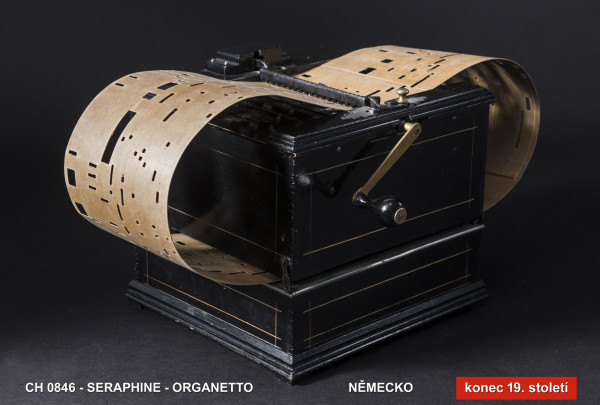
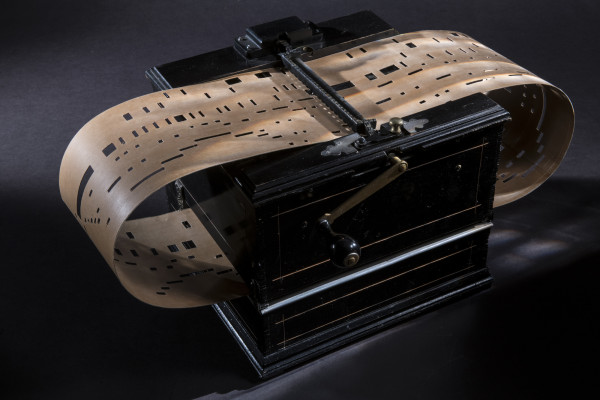
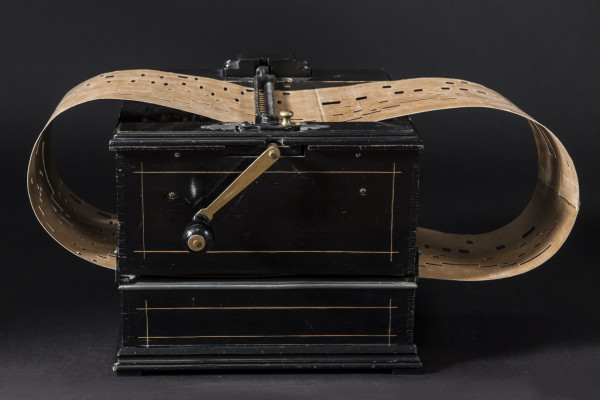
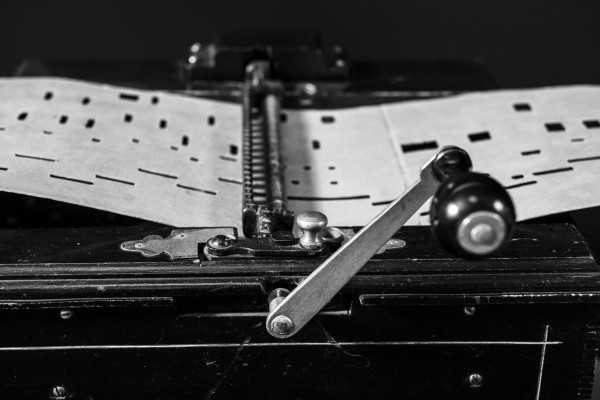
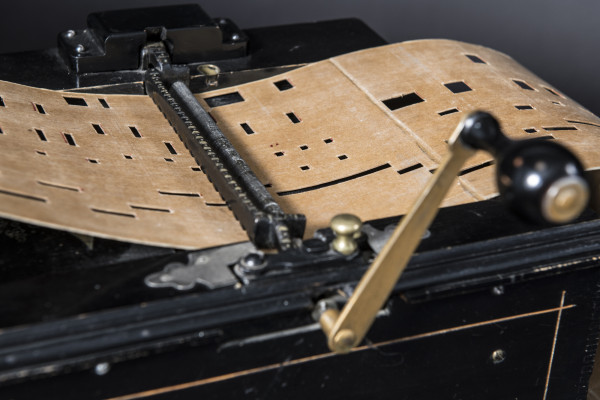
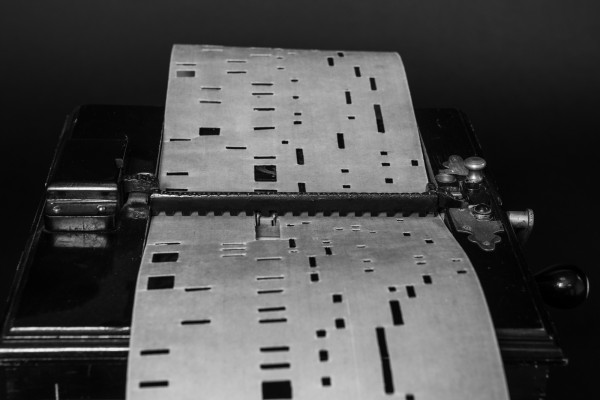
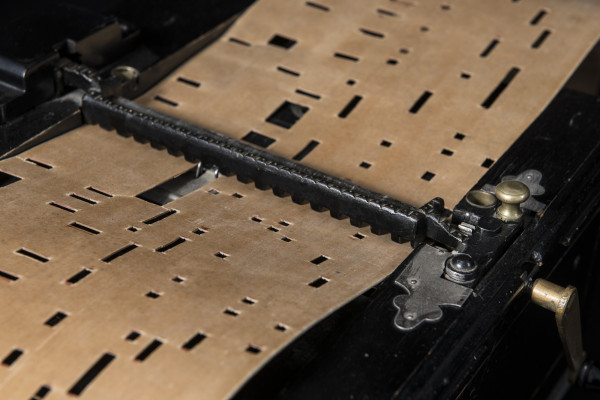
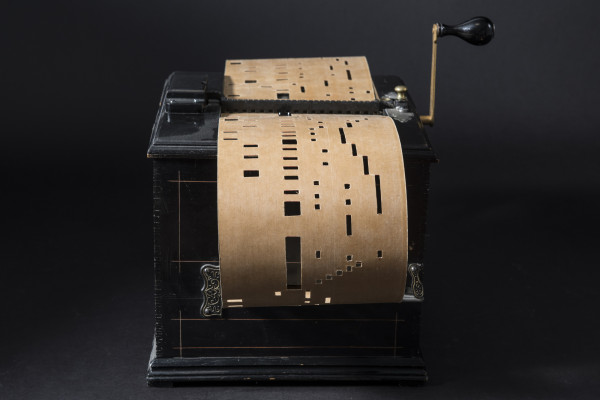
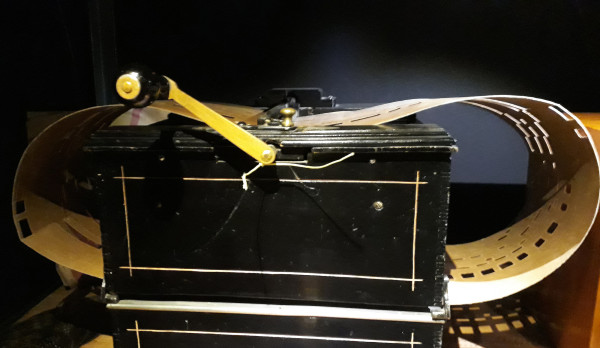
The seraphine, on the other hand, is likely intended to evoke the music of angelic spheres. It has no keyboard; instead, a perforated paper roll allows airflow through its holes, sounding metal reeds at the right time. This was yet another ingenious invention on the path toward automated music machines.